







Sustainable Extrusion Products Meet EU Circular Economy Mandates
EU Regulation 2023/1743 forces radical innovation in sustainable extrusion products, mandating from 2026:
● 35% minimum PCR content in elastomeric components
● Blockchain-verified material origins
● Full substance disclosure (>0.1% w/w)
Technical Breakthroughs for PCR Integration
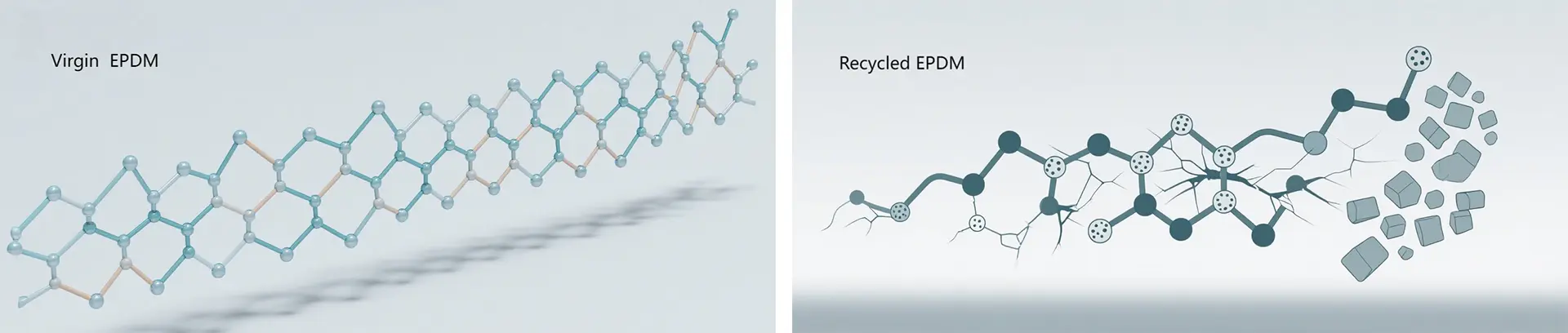
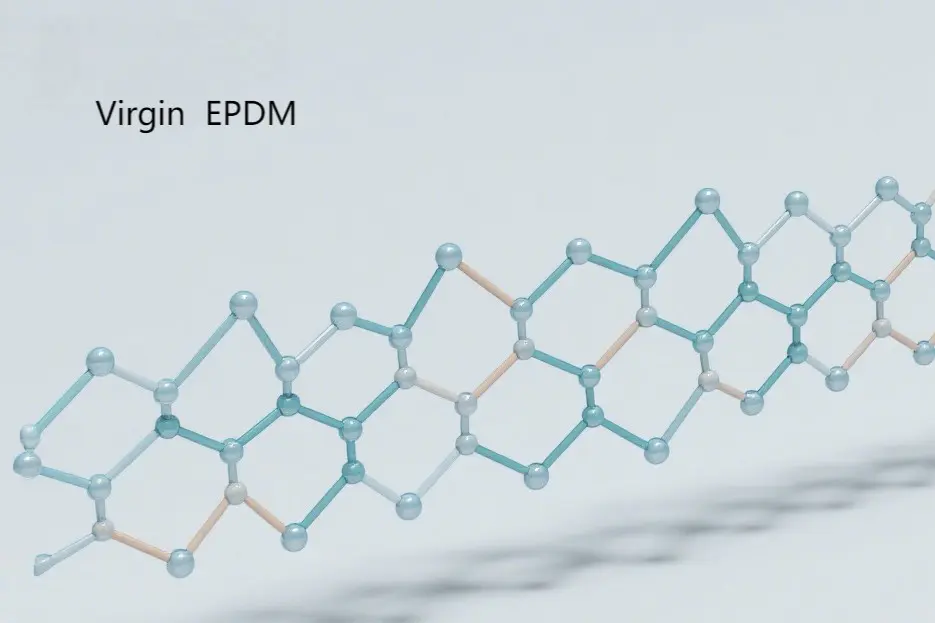
Recycled EPDM challenges in extrusion product manufacturing:
| Parameter | Virgin Material | Recycled Material |
| Mooney Viscosity | 55±5 MU | 4575 MU |
| Carbon Black Dispersion | Uniform | Agglomerated |
| Tensile Strength | 18±2 MPa | 1015 MPa |
Pioneering solutions enable eco-friendly extrusion products:
● Molecular Reformation: Virgin-equivalent EPDM from bio-naphtha
● Compatibilizer Tech: 30% recycled EPDM in blends without adhesion loss
● 50μm Filtration: >99.3% contaminant removal
Case Study: BMW i5 Window Seals
● 42% recycled EPDM via chemical devulcanization
● Plasma-treated surfaces for adhesive bonding
● Blockchain-tracked from end-of-life tires
Processing innovations like Battenfeld-Cincinnati’s extruders ensure consistent recycled extrusion products through:
● ±1.5 bar melt pressure control
● Real-time infrared composition analysis
● Self-learning screw designs
With the European Union’s increasing focus on sustainability and circular economy principles, the extrusion industry is undergoing a transformation. One of the most notable trends is the adoption of post-consumer recycled (PCR) materials in extrusion products. These materials not only reduce reliance on virgin plastics but also help lower carbon footprints across the supply chain.
Leading suppliers such as Freudenberg Performance Materials and Saint-Gobain have already integrated PCR content into their extrusion lines, achieving up to 40% recycled material usage without compromising product integrity. This shift is supported by new EU regulations such as the Single-Use Plastics Directive and the Corporate Sustainability Reporting Directive (CSRD), which require companies to disclose environmental impacts and set measurable recycling targets.
In addition to regulatory compliance, there is a growing consumer and investor preference for sustainable manufacturing practices. As a result, extrusion products labeled as “eco-friendly” or “circular-ready” are gaining traction in both automotive and industrial markets. These products are designed for end-of-life recyclability, ensuring that they can be reintegrated into the production cycle after use.
Looking ahead, the trend toward sustainable extrusion products is expected to accelerate, driven by stricter environmental policies and rising awareness among stakeholders. Companies that invest in green innovation today will likely see long-term benefits in brand reputation, cost efficiency, and regulatory alignment.
The integration of recycled materials into extrusion products also presents new opportunities for cost optimization. Suppliers who have mastered PCR blending report up to 20% raw material cost savings while maintaining performance standards—making sustainable extrusion products not only environmentally responsible but economically advantageous as well.
Compliance Imperative: Digital Product Passports (DPPs) and ISO 14067 certification are now non-negotiable for European-market extrusion products.