How to Choose the Right Car Coolant Hoses for Your Vehicle?
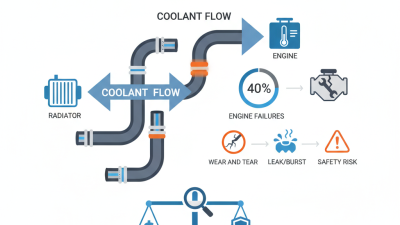
Choosing the right car coolant hoses is crucial for vehicle longevity and performance. According to industry reports, over 25% of engine failures are attributed to cooling system issues. This underscores the importance of selecting quality components. Car coolant hoses play a vital role in maintaining your engine's temperature.
The right hoses help prevent overheating and potential damage. It's worth noting that not all hoses are created equal. Variations in materials and construction vastly affect durability and performance. For example, silicone hoses can withstand higher temperatures compared to rubber varieties. Yet, some consumers may overlook these differences, leading to costly repairs.
Inexperienced users often underestimate the impact of hose wear and aging. Signs like cracks or leaks should not be ignored. Regular inspections and timely replacements are essential. Ultimately, investing in high-quality car coolant hoses can save time and money down the road. Knowledge is key when making these decisions. Be informed and choose wisely.
Understanding the Function of Car Coolant Hoses in Vehicle Cooling Systems
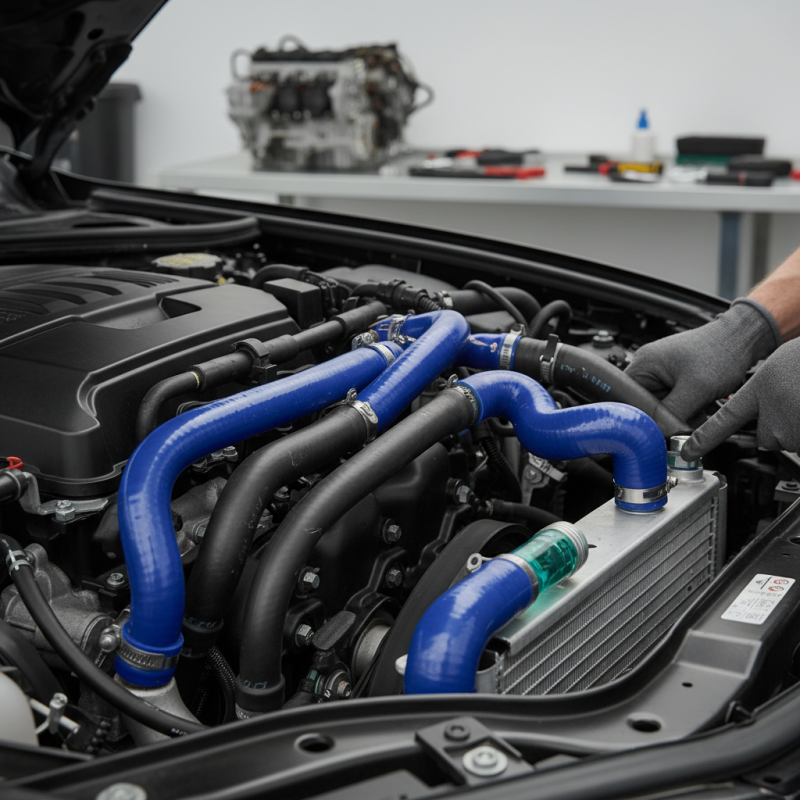
Car coolant hoses are essential components of a vehicle's cooling system. They transport coolant between the engine and radiator, helping to maintain optimal operating temperatures. Without proper coolant flow, engines can overheat. This overheating can cause significant damage, leading to costly repairs. Therefore, understanding the role of these hoses is crucial for vehicle maintenance.
Different vehicles come with various hose options, depending on the engine type and design. It's vital to choose hoses that match your vehicle's specifications. High-quality hoses usually withstand extreme temperatures and pressures. They should also resist wear and tear over time. Inspecting coolant hoses regularly for cracks or leaks can prevent unexpected breakdowns. A damaged hose may lead to coolant loss and engine overheating.
When selecting hoses, consider material types. Rubber hoses are common but may degrade faster. Silicone hoses offer better durability but can be more expensive. Always consult with reliable automotive resources or professionals if unsure. Making informed decisions ensures a vehicle’s longevity and performance. Remember, even minor issues can disrupt the cooling system's efficiency. Stay proactive in your vehicle's care.
Identifying Different Types of Coolant Hoses and Their Uses
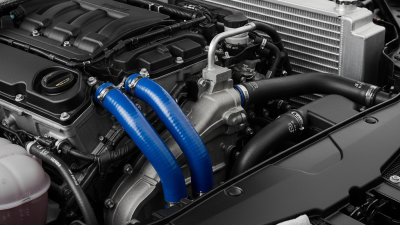
When deciding on coolant hoses, it’s important to know their types and uses. The most common types are upper and lower radiator hoses. The upper hose connects the engine to the radiator, allowing hot coolant to flow out. The lower hose returns cooler liquid to the engine. Choosing the right materials is essential, as hoses come in rubber, silicone, and reinforced types. Each material has its strengths. Rubber hoses may crack over time, while silicone ones offer better heat resistance.
When examining coolant hoses, a few tips can enhance your decision-making process. Check for signs of wear. Cracks, bulges, or leaks indicate a need for replacement. Make sure the hose fits snugly. A loose connection can lead to costly leaks. Lastly, consult your vehicle manual for specifications. Always match hose size and type as per recommendations.
Look closely at the placement of the hoses. Some can be challenging to reach. They may be hidden under other components. Also, consider the environment. Extreme temperatures impact hose performance. Understanding the conditions in which your vehicle operates will guide you in selecting durable options.
Coolant Hose Types and Their Uses
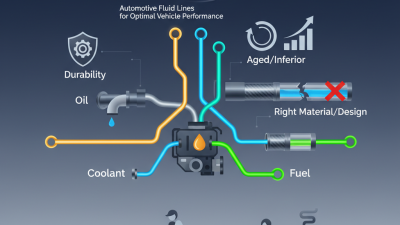
This chart illustrates the different types of coolant hoses commonly used in vehicles and their respective applications. Understanding these can help in choosing the appropriate coolant hoses for specific vehicle needs.
Factors to Consider When Selecting Coolant Hoses for Your Car
Choosing the right coolant hoses for your vehicle is crucial for optimal engine performance. When selecting coolant hoses, consider several key factors. The material of the hoses is an important aspect. Silicone hoses offer superior durability and resistance to extreme temperatures. According to a report by the Society of Automotive Engineers, silicone hoses can withstand temperatures up to 500°F. This longevity can prevent leaking and potential engine damage.
Another factor is the hose diameter. The correct diameter ensures proper flow of coolant, which affects engine temperature regulation. A mismatch can lead to overheating. In fact, studies show that improper hose sizing can decrease engine efficiency by as much as 15%. Inspect hose fittings as well, ensuring they align perfectly with your vehicle's specifications.
Misaligned fittings can cause leaks and performance issues that may go unnoticed until it's too late. Lastly, always evaluate the installation process. Improper installation can lead to additional strain on the hoses. Some mechanics recommend securing hoses with appropriate clamps for a tight fit.
Proper maintenance also plays a significant role in the longevity of your coolant hoses. Monitoring them regularly for cracks or wear can save you from expensive repairs down the line. Making informed choices can significantly impact your vehicle’s health.
How to Measure and Ensure Proper Fit for Coolant Hoses
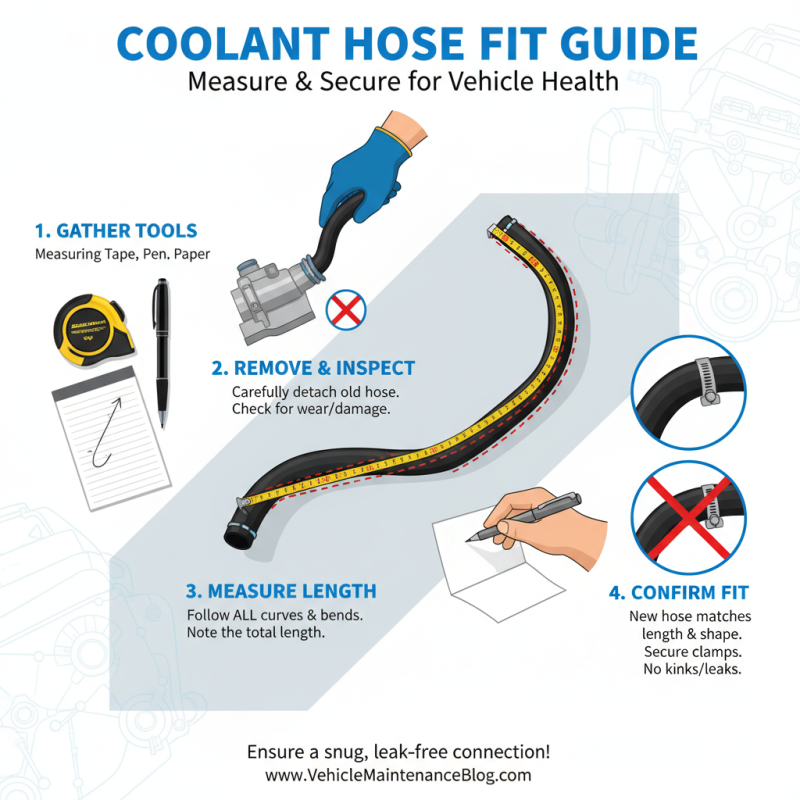
Measuring and ensuring the proper fit for coolant hoses is crucial for vehicle maintenance. Start by gathering the necessary tools: a measuring tape, a pen, and paper. Begin with the length of the current hose. Remove it carefully to avoid damage. Measure along the curve, ensuring you take into account any bends or turns.
Next, measure the inner and outer diameters. This ensures that the new hose will fit perfectly over the fittings. Often, hoses can appear similar, but even slight differences can cause leaks. Record all measurements accurately, as this will guide your selection.
Keep in mind that not all hoses will fit every vehicle model. Some replacement hoses may require adjustments. It’s normal to feel overwhelmed by the variety available in the market. However, understanding your vehicle’s specific requirements will lead to better choices. Mistakes in measuring can lead to frustration. Double-check your numbers if you are uncertain. Careful, precise measurements will ultimately lead to a successful installation and optimum vehicle performance.
Maintenance Tips to Extend the Life of Your Car's Coolant Hoses
Proper maintenance of your car's coolant hoses is crucial for vehicle longevity. Over time, hoses can wear out due to heat, pressure, and exposure to chemicals. Regular inspections can help identify cracks or leaks early.
Tips: Inspect hoses regularly. Look for signs of wear. Soft spots or bulges indicate problems. Replace hoses if you notice any issues.
Cleaning the coolant system periodically is essential. Dirt and debris can accumulate, leading to blockages in hoses. Use a recommended cleaning solution to flush the system.
Tips: Check coolant levels often. Low levels can cause overheating. Fill up with appropriate coolant to avoid hose damage.
Lastly, ensure hose clamps are secure but not too tight. Over-tightening can cause stress and lead to premature failure. Maintaining the right balance is key for hose durability. Regular attention and simple checks can extend the life of your coolant hoses significantly.